
Appliances in Oshawa often fail faster than expected due to common factors like power surges, hard water damage, poor maintenance, and extreme seasonal temperature changes. These issues impact refrigerators, washing machines, dishwashers, and HVAC systems, reducing their lifespan and efficiency. Many homeowners also face problems from overuse, low-quality parts, and improper installation. Understanding these causes helps in early appliance troubleshooting and avoiding costly repairs or replacements. Simple solutions like surge protectors, regular servicing, and correct usage can significantly extend appliance life.
Another key reason appliances break down quickly in Oshawa is lack of preventive maintenance and ignoring early warning signs like noise, leaks, or poor performance. Dust buildup, clogged filters, and outdated components also contribute to appliance failure. To solve these issues, homeowners should follow routine maintenance schedules, clean appliances regularly, and hire professional appliance repair services when needed. Using high-quality spare parts, ensuring proper installation, and upgrading old appliances can improve durability and performance, saving both time and money in the long run. For fast and reliable solutions, explore trusted professional appliance repair services to keep your home appliances running smoothly.
Need Appliance Repair Services In oshawa?
Need reliable appliance repair in Oshawa? We offer fast and professional services for washers, dryers, refrigerators, ovens, and vacuum cleaners. Whether you need emergency washer repair, fridge repair, or help fixing an electric oven, our expert technicians are ready to handle all major home appliance issues across Oshawa with quick and dependable service.
Why do appliances break down so quickly in Oshawa homes?
Living around Oshawa, I’ve noticed a pattern over the years while dealing with appliance repair calls many homeowners are surprised when their appliances start acting up earlier than expected. From washing machines to refrigerators, the lifespan often feels shorter here compared to what manufacturers advertise. In most cases, it’s not just bad luck; it’s a mix of environmental conditions and everyday usage habits that slowly wear machines down.
One of the biggest reasons is the climate and temperature swings in Oshawa. Cold winters and humid summers force appliances to constantly adjust, especially refrigerators, freezers, and dryers. I’ve personally seen fridges struggling more in basements where temperature fluctuations are extreme. Over time, compressors and seals weaken faster than they normally would in more stable climates.
Another major factor is power fluctuations and older home electrical systems in some neighborhoods. Even small voltage inconsistencies can quietly damage internal components of modern appliances. I’ve seen control boards in dishwashers and washers fail much earlier simply because of repeated minor surges that homeowners never even notice.
Does hard water in Oshawa damage washing machines and dishwashers?
Yes, hard water is one of the silent killers of household appliances in Oshawa. Many homeowners don’t realize how mineral-heavy water slowly builds up inside their machines. Over time, calcium and lime deposits start affecting heating elements, pumps, and internal pipes. When I open up a failing dishwasher in this area, I often find thick white scaling sitting on critical components.
In washing machines and dishwashers, hard water reduces cleaning efficiency and forces the machine to work harder. That extra strain leads to overheating and premature wear. I’ve personally handled repairs where detergent residue combined with mineral buildup completely blocked drainage systems something that could have been avoided with regular descaling or a water softener.
What makes it worse is that the damage is usually invisible until performance drops significantly. Dishes stop coming out clean, clothes feel rough, and cycles take longer than usual. By the time most people call for service, parts like heating elements or inlet valves are already partially damaged. In my experience, routine maintenance and using water-softening agents can easily extend appliance life by several years in hard-water areas like Oshawa.
How does Oshawa’s cold weather affect refrigerator and freezer performance?
Living in and around Oshawa, one thing I’ve noticed while working on appliance issues is how winter temperatures quietly change the way refrigerators behave. In colder months, especially in basements or garages, refrigerators can actually get confused because they rely on a certain ambient temperature range to regulate their cooling cycle properly. When the room itself gets too cold, the thermostat inside the fridge may not trigger the compressor correctly.
I’ve personally seen cases where homeowners think their fridge is “broken,” but in reality, the surrounding cold is interfering with normal operation. Freezers are usually more stable, but even they can suffer when the compressor doesn’t run as frequently as it should. This leads to inconsistent cooling, partial thawing, or food not staying frozen evenly.
Another issue in colder areas of Oshawa is oil thickening inside compressor units. When temperatures drop too low, the internal lubricant becomes less efficient, making the motor work harder during startup. Over time, this can shorten compressor life. I’ve seen older units in garages fail simply because they were never designed for extreme Canadian winter conditions.
Are power surges in Oshawa responsible for appliance failure?
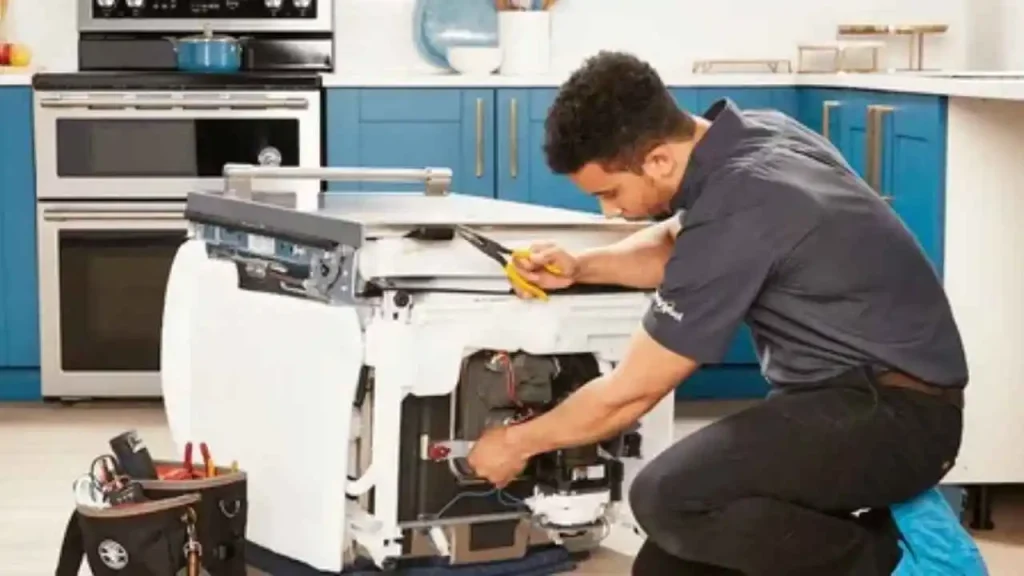
Yes, power surges are one of the most underestimated causes of appliance damage in Oshawa. Even small, repeated voltage spikes can slowly weaken sensitive electronics inside modern appliances. Most people only think of big surges like lightning strikes, but in reality, minor fluctuations happen more often than we realize.
In my experience, control boards in washers, dishwashers, and refrigerators are the first to suffer. I’ve replaced quite a few electronic modules that failed not because of age, but because of inconsistent voltage supply. Homes connected to older wiring systems or overloaded circuits are especially vulnerable, which is still common in some neighborhoods.
What makes this issue tricky is that damage is usually gradual. A fridge might restart randomly, a washing machine may freeze mid-cycle, or a dishwasher may stop responding altogether. In many cases across Oshawa, installing a good-quality surge protector or whole-home surge protection system could have prevented expensive repairs. From what I’ve seen, prevention here is far cheaper than replacing control boards every few years.
What are the most common appliance problems in Oshawa households?
In many homes across Oshawa, the same appliance issues tend to show up again and again. From what I’ve seen during repair visits, the most frequent problems involve refrigerators not cooling properly, washing machines stopping mid-cycle, and dishwashers leaving dishes partially dirty. These aren’t random faults most of the time, they build up slowly due to everyday wear, water conditions, and electrical stress.
Another very common issue is drainage failure, especially in washing machines and dishwashers. In several Oshawa households I’ve worked in, clogged pumps and blocked filters were caused by a mix of detergent buildup and hard water minerals. Over time, this forces the appliance to work harder, which eventually leads to overheating or motor strain. It’s one of those problems that starts small but escalates quickly if ignored.
Electrical and control board failures are also surprisingly frequent in Oshawa homes. Modern appliances rely heavily on electronic components, and even minor voltage fluctuations can cause issues like unresponsive panels or random shutdowns. I’ve personally seen cases where a perfectly good appliance was replaced, when in reality a small surge protector or wiring check could have prevented the breakdown.
Why do washing machines keep failing in Oshawa apartments?
Washing machines in Oshawa apartments tend to fail more often mainly because of heavy usage and shared infrastructure stress. In apartment living, machines are often used more frequently by multiple occupants or back-to-back loads, which puts constant pressure on the motor, drum, and suspension system. I’ve noticed that this kind of usage shortens the lifespan significantly compared to single-family homes.
Another major factor is installation quality and space constraints. In many apartment units I’ve serviced, washing machines are placed in tight laundry closets where ventilation is poor. This leads to overheating issues, especially during long wash cycles. Improper leveling is another hidden problem it causes excessive vibration, which slowly damages bearings and internal components over time.
Hard water and detergent overuse also play a big role in apartment machine failures in Oshawa. People often assume more detergent means cleaner clothes, but it actually leads to residue buildup inside the drum and drainage system. I’ve opened many machines where thick soap scum had formed around the pump area, causing drainage errors and eventually full breakdowns. Regular cleaning cycles and correct detergent use can make a noticeable difference in extending machine life.
Is poor maintenance the main reason appliances break early in Oshawa?
In my experience working with homes across Oshawa, poor maintenance is honestly one of the biggest reasons appliances don’t last as long as they should. Many people assume appliances are “set and forget,” but things like filters, seals, vents, and drainage systems need regular attention. When they’re ignored, small issues slowly turn into major breakdowns that feel sudden but actually build up over time.
I’ve seen countless cases where a simple cleaning routine could have prevented a costly repair. For example, refrigerator coils covered in dust or lint can make the compressor overwork, while clogged washing machine filters can lead to drainage errors and motor strain. In older homes around Oshawa, this issue becomes even more noticeable because appliances are already dealing with environmental stress like humidity and seasonal temperature shifts.
What stands out most is that many homeowners only think about maintenance after something stops working. From what I’ve observed, even basic habits like descaling dishwashers, cleaning dryer vents, or checking hoses can easily add years to an appliance’s life. It’s rarely one big failure; it’s usually a chain of small, preventable ones.
When should you repair or replace appliances in Oshawa?
Deciding whether to repair or replace appliances in Oshawa usually comes down to age, repair cost, and how often problems are happening. In my hands-on experience, if an appliance is under 6–8 years old and the repair cost is less than half the price of a new one, repair is usually the smarter choice. But once issues start repeating, replacement often becomes more practical.
I’ve worked on refrigerators and washing machines where customers kept fixing the same issue every few months usually control boards, pumps, or motors. At that point, even if the repair seems cheaper upfront, it ends up costing more in the long run. In many Oshawa homes, especially with mid-range appliances, repeated breakdowns are a clear sign the internal systems are nearing the end of their lifecycle.
Another factor I always consider is energy efficiency. Older appliances in Oshawa tend to consume more electricity and water, which quietly increases utility bills. So even if an appliance is still working, replacing it with a newer energy-efficient model can sometimes make more financial sense over time. From what I’ve seen, the best decision usually balances repair cost, reliability, and long-term savings not just the immediate fix.
👉🏻Discover More About Unique Problems[ Appliance Maintenance Tips for Oshawa Homes ]
Frequently Asked Questions
Why do modern appliances fail faster?
Modern appliances fail faster because they use more electronics and fewer durable mechanical parts. Control boards and sensors are sensitive to power issues and wear out sooner. Poor maintenance and hard water conditions (like in many homes in Oshawa) also speed up breakdowns.
What is the 50 50 rule for appliances?
The 50/50 rule means: if repair costs are more than 50% of a new appliance price and the appliance is halfway through its life, it’s better to replace it instead of repairing it.
Which appliance breaks down the most?
Washing machines break down the most because they handle heavy loads, water, vibration, and frequent use. Refrigerators and dishwashers also follow closely due to constant operation and wear.
What appliance is the biggest energy waster?
Refrigerators are the biggest energy wasters because they run 24/7. Older or poorly maintained fridges use even more electricity due to weak seals, dirty coils, or inefficient compressors.
Conclusion
In Oshawa, appliances often fail early due to power fluctuations, hard water buildup, lack of maintenance, and heavy daily usage. These appliance repair issues affect refrigerators, washers, dryers, and dishwashers, reducing efficiency and lifespan. Regular wear and tear, dirty filters, and ignored warning signs also increase breakdown risks. The best solution is preventive maintenance, using surge protectors, and scheduling routine servicing to avoid costly appliance replacement.
To reduce appliance failure in Oshawa, homeowners should focus on proper installation, timely repairs, and professional appliance servicing. Cleaning components, replacing worn-out parts, and avoiding overload can greatly improve performance and durability. Hiring local appliance repair experts and using high-quality replacement parts also helps prevent frequent breakdowns. By following these simple solutions, you can extend appliance life and ensure long-term efficiency and cost savings.