
A front load washing machine often develops bad odor, mold, detergent buildup, and moisture residue in the drum, rubber gasket, and detergent drawer if not cleaned regularly. According to The DIY Playbook, the most effective solution is to run a hot cleaning cycle using vinegar or bleach, clean the detergent tray, and scrub the rubber seal thoroughly. These steps remove hidden grime, soap scum, and bacteria that cause unpleasant smells and reduce washing performance.
To solve long-term issues like odor buildup, dirty seals, and clogged pump filters, experts from Gimme Some Oven recommend a simple routine: deep clean the drum monthly, wipe the gasket after every wash, and keep the washer door open for airflow. This solution prevents moisture trapping, improves hygiene, and extends machine life by maintaining a fresh, efficient, and well-functioning front load washing machine system.
Need Appliance or Washing Machine Repair Services In Oshawa Ontorio?
Need appliance or washing machine repair in Oshawa, Ontario? Get fast, reliable, and affordable expert service for all major brands to fix your appliance quickly and efficiently.
Why Front Load Washing Machine Cleaning Is Important
Front load washers trap moisture inside the rubber gasket, drum, and detergent drawer, which creates the perfect environment for:
- Washing machine mold growth
- Detergent buildup inside hidden areas
- Bacteria and mildew smell
- Poor washing performance
If ignored, even high-end machines from brands like Samsung or LG Electronics can start developing washing machine odor problems. Reliable appliance repair services help extend the life of refrigerators, ovens, washers, and other essential home appliances. Experienced repair specialists provide quick fixes that improve efficiency and reduce unexpected breakdowns.
Step 1: How to Clean Washing Machine Drum Properly
The drum is the heart of your washer, and it needs regular cleaning.
Deep Cleaning Method:
- Run a drum cleaning cycle (if your machine has one)
- Or run a hot water cycle with:
- 2 cups white vinegar
- ½ cup baking soda
This helps remove:
- Soap scum
- Hard water stains
- Hidden dirt inside drum
This is the most effective deep cleaning front load washer method.
Step 2: Rubber Gasket Cleaning (Most Important Area)
The rubber gasket is where most problems start.
How to clean it:
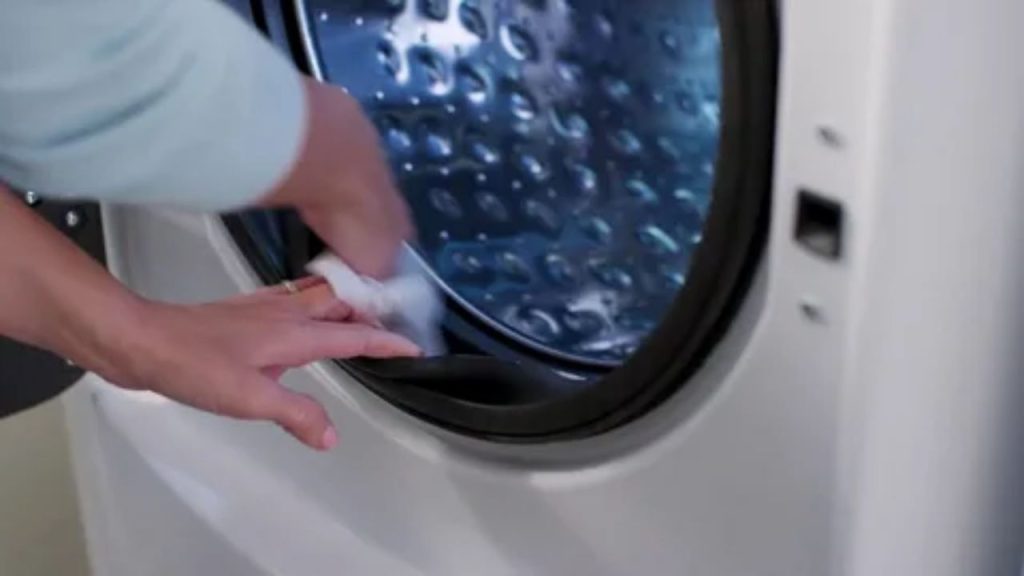
- Pull the rubber seal gently
- Wipe inside folds with vinegar solution
- Remove lint, hair, and trapped dirt
- Scrub visible mold spots
This step is key for washing machine mold removal and stopping foul smell from coming back.
From experience, this is the #1 place where people ignore cleaning and then wonder why their machine smells.
Step 3: Detergent Buildup Cleaning in Drawer
The detergent tray often hides thick residue from liquid detergent and fabric softener.
Cleaning steps:
- Remove detergent drawer completely
- Soak in warm water + vinegar
- Scrub corners using a brush
- Dry fully before reinserting
This removes detergent buildup cleaning issues and prevents clogging.
Step 4: Remove Washing Machine Smell (Odor Fix)
If your washer already smells bad, here’s the fix:
- Run a hot empty cycle
- Add vinegar or washing machine cleaner tablet
- Wipe gasket and drum edges
- Keep door open after washing
This is the most reliable washing machine odor fix method used in real maintenance.
Step 5: Drum Cleaning Cycle Routine
Modern machines often include a built-in drum cleaning cycle.
If yours has it:
- Run it once a month
- Use washing machine cleaner tablet
- Avoid adding clothes during the cycle
If not, use vinegar + hot water method.
This keeps your washing machine drum clean and fresh.
Step 6: Deep Cleaning Front Load Washer Maintenance Tips
Regular care is more important than one-time cleaning.
Washing machine maintenance tips:
- Leave door open after every wash
- Wipe rubber gasket weekly
- Clean detergent drawer monthly
- Run hot cycle regularly
- Avoid overloading detergent
These habits prevent washing machine smell, mold growth, and residue buildup.
Common Problems This Cleaning Fixes
This full process helps solve:
- Front load washing machine cleaning issues
- Washing machine mold removal
- Detergent buildup cleaning problems
- Bad odor from drum and gasket
- Slow drainage or residue inside machine
How to Clean Front Load Washing Machine Samsung
Samsung Washer Cleaning Basics
If you own a Samsung washer, you’re likely using features designed for hygiene, but even then detergent buildup and drum odor can still occur. Samsung machines often include a drum cleaning cycle, which is essential for maintenance.
In real use, I’ve noticed many users forget to run this cycle regularly, which leads to washing machine odor problems even in newer units.
Using Drum Clean + Manual Cleaning
To clean properly, first run the built-in drum cleaning cycle with no clothes. You can also add a washing machine cleaner tablet for better results.
After that, wipe the gasket, detergent drawer, and door glass manually. This combination ensures complete deep cleaning front load washer maintenance, especially in Samsung models from Samsung.
Preventing Future Smell in Samsung Machines
To avoid recurring odor, always leave the door slightly open and reduce excess detergent usage. Over time, this prevents washing machine mold buildup, soap scum, and bacteria growth.
Personally, I’ve seen Samsung machines stay fresh for months just by following this simple routine.
How to Clean Front Load Washing Machine Whirlpool
Whirlpool Cleaning System Overview
Whirlpool washers are known for strong performance, but like all front loaders, they can develop detergent residue and drum smell if not maintained properly. Many Whirlpool models also include a self-clean or clean washer cycle.
Machines from Whirlpool are built for durability, but routine cleaning is still essential.
Deep Cleaning Method for Whirlpool Washer
Start by running the clean washer cycle or a hot water cycle with vinegar. Then manually clean the rubber gasket, drum edges, and detergent drawer.
This removes hidden grime and helps in effective washing machine mold removal and detergent buildup cleaning.
From experience, Whirlpool washers respond very well to vinegar-based cleaning because it breaks down soap scum quickly.
Maintenance Routine for Whirlpool Machines
To keep the machine fresh, wipe the gasket weekly and avoid leaving wet clothes inside. Also, run a hot cycle every few weeks to maintain hygiene.
This simple washing machine maintenance tips routine keeps Whirlpool machines odor-free and efficient long term.
How to Clean Front Load Washing Machine with Vinegar
Why Vinegar Works for Washing Machine Cleaning
White vinegar is one of the most effective natural cleaners for front load washing machine cleaning. It breaks down soap residue, removes odors, and kills bacteria without harsh chemicals.
In real-life cleaning, vinegar is often the first solution I recommend because it’s cheap, safe, and surprisingly powerful for washing machine odor fix.
Vinegar Drum Cleaning Method
Pour 2 cups of white vinegar directly into the drum and run a hot cycle. This process removes detergent buildup, mold spores, and hard water deposits inside the washing machine drum.
After the cycle, wipe the inside and gasket for a complete deep cleaning front load washer effect. This method also helps in how to clean washing machine drum effectively without damage.
Long-Term Results & Preventive Care
Using vinegar once a month keeps the machine fresh and prevents recurring smell. Combined with proper ventilation and gasket cleaning, it ensures long-term hygiene.
From experience, vinegar cleaning works especially well for older machines or those already suffering from washing machine smell and mildew issues.
How to Clean Front Load Washing Machine LG
Cleaning a front load washer from LG Electronics needs a proper cycle-based approach because these machines are designed for high efficiency but can trap moisture if not maintained. Most LG models come with a built-in “Tub Clean” or “Tub Fresh” option, which I usually run once a month using hot water only or a manufacturer-approved cleaner. Over time, detergent residue and humidity can build up inside the drum, and I’ve personally noticed that skipping regular cleaning leads to a faint musty smell in clothes.
To start the cleaning process, I always empty the drum completely and check the rubber gasket for trapped lint or hair. Then I select the tub clean cycle and let it run without clothes. If your LG model supports it, adding a washing machine cleaner like those recommended by LG helps break down biofilm and detergent buildup more effectively. It’s a simple step, but it makes a big difference in keeping the machine fresh.
After the cycle finishes, I leave the door slightly open for a few hours so the interior can dry naturally. This small habit prevents moisture buildup, which is the main reason mold forms inside front load washers. Regular airflow is just as important as cleaning itself, especially in humid environments.
How to Clean Front Load Washing Machine with Tablets
Using cleaning tablets is one of the easiest and most effective methods for deep cleaning a washing machine. Products like Affresh Washing Machine Cleaner are specifically designed to dissolve residue, remove odor-causing bacteria, and break down detergent film inside the drum and hidden pipes. I usually recommend this method for people who don’t want the hassle of measuring liquids or mixing ingredients.
To use tablets, you simply place one directly inside the empty drum and run a hot wash or tub clean cycle. The tablet slowly dissolves and works through all internal components, including areas you can’t physically reach. From personal experience, this method is especially useful if the machine hasn’t been cleaned in a while or if there’s a persistent smell that won’t go away with a normal wash.
Once the cycle is complete, I always wipe the drum and door glass with a dry microfiber cloth. Even though tablets do most of the heavy lifting, manual wiping ensures no loosened residue is left behind. Doing this once every 3–4 weeks keeps the machine running efficiently and smelling fresh.
How to Clean Washing Machine with Vinegar and Baking Soda

A natural cleaning method that many people still trust involves using white vinegar and baking soda. This combination works well because vinegar helps dissolve limescale and soap buildup, while baking soda neutralizes odors. In my experience, this method is especially helpful for lightly soiled machines that don’t need a heavy chemical clean.
First, I pour about two cups of white vinegar into the detergent compartment and run a hot wash cycle. After that, I sprinkle half a cup of baking soda directly into the drum and run another short hot cycle. The reaction helps loosen grime and freshen the interior. However, I always make sure not to mix both directly at the same time, as they cancel each other out if combined too early.
After both cycles, I leave the door open to dry and wipe the rubber seal thoroughly. While this method is budget-friendly and chemical-free, I still recommend alternating it with a stronger cleaner occasionally to fully remove deep detergent buildup, especially in machines used daily.
How to Clean Front Load Washing Machine Seal
The rubber door seal is one of the most overlooked parts of a front load washer, yet it’s where most mold and dirt accumulate. In every LG Electronics washer I’ve cleaned, the seal always had hidden moisture, lint, and sometimes even detergent sludge trapped inside the folds. This area needs manual attention because automatic cycles don’t fully reach it.
To clean it properly, I gently pull back the rubber gasket and wipe inside with a cloth dipped in warm soapy water or a mild vinegar solution. I’ve found that using an old toothbrush helps remove stubborn grime from tight corners without damaging the rubber. It’s important to be thorough because even small residue pockets can create a strong odor over time.
After cleaning, I always dry the seal completely with a microfiber cloth and leave the door open for ventilation. This step is crucial because moisture trapped in the seal is the main reason for mold growth in front load machines. Regular weekly wiping keeps the seal in good condition and extends the overall life of the washer.
How to Clean Front Load Washing Machine Drum
The drum is the heart of any front load washer, whether it’s an LG Electronics, IFB, or Bosch machine, and keeping it clean directly affects wash quality and odor control. In my experience, the most effective method is running a dedicated “Tub Clean” or “Drum Clean” cycle using hot water. Before starting, I always make sure the drum is completely empty and remove any loose lint or small fabric particles. This prevents them from circulating and sticking to internal surfaces during the cleaning cycle.
For deeper cleaning, I sometimes use washing machine cleaning tablets or a mild descaling solution designed for high-efficiency machines. These help break down detergent residue, mineral buildup, and biofilm that forms over time. I’ve noticed that when the drum isn’t cleaned regularly, clothes start smelling slightly damp even after a full wash. After every cleaning cycle, I leave the door open for natural airflow, which is a simple habit but extremely effective in preventing moisture buildup and maintaining a fresh-smelling drum.
How to Clean Front Load Washing Machine Filter
The filter in a front load washing machine is responsible for trapping lint, coins, hair, and debris, and when it gets clogged, the machine starts draining slowly or showing error codes. In most IFB and LG Electronics models, the filter is located at the bottom front panel. From personal experience, I always place a towel and a shallow tray underneath before opening it because some residual water almost always comes out.
Once opened, I remove all trapped debris and rinse the filter under running water. If there is stubborn dirt or detergent sludge, I gently scrub it using a soft brush. I’ve found that regular monthly cleaning of the filter not only improves drainage but also reduces strain on the motor. After reinstalling the filter tightly, I always run a quick rinse cycle to ensure everything is flowing smoothly and there are no leaks.
How to Clean Front Load Washing Machine Rubber Seal
The rubber gasket or door seal is one of the most moisture-prone areas in any front load washer, especially in brands like Bosch, IFB, and LG Electronics. Over time, it collects lint, detergent residue, and even mold if not cleaned regularly. In my routine, I always pull back the folds of the seal and inspect hidden areas because that’s where most buildup stays unnoticed.
For cleaning, I use a mix of warm water and mild detergent or diluted vinegar, along with a microfiber cloth or soft toothbrush for tight corners. This helps remove sticky residue and prevents foul odors from developing inside the drum area. After cleaning, I always dry the seal completely and leave the door slightly open. This simple habit significantly reduces mold formation and keeps the washer smelling fresh for longer.
How to Clean Front Load Washing Machine IFB
Cleaning an IFB front load washing machine is fairly simple because most models come with a built-in “Tub Clean” program designed specifically for maintenance. In my experience, running this cycle once every 2–4 weeks keeps the internal drum, pipes, and outer tub free from detergent buildup and bacteria. I always ensure the machine is empty and sometimes add a machine cleaner for better results.
IFB washers are known for strong wash performance, but like all front loaders, they are prone to moisture retention if not maintained properly. After each cleaning cycle, I always wipe the drum and seal area and keep the door open for ventilation. I’ve personally noticed that this routine not only eliminates odor issues but also extends the life of the machine’s internal components, ensuring smoother and quieter operation over time.
How to Clean Front Load Washing Machine Gasket
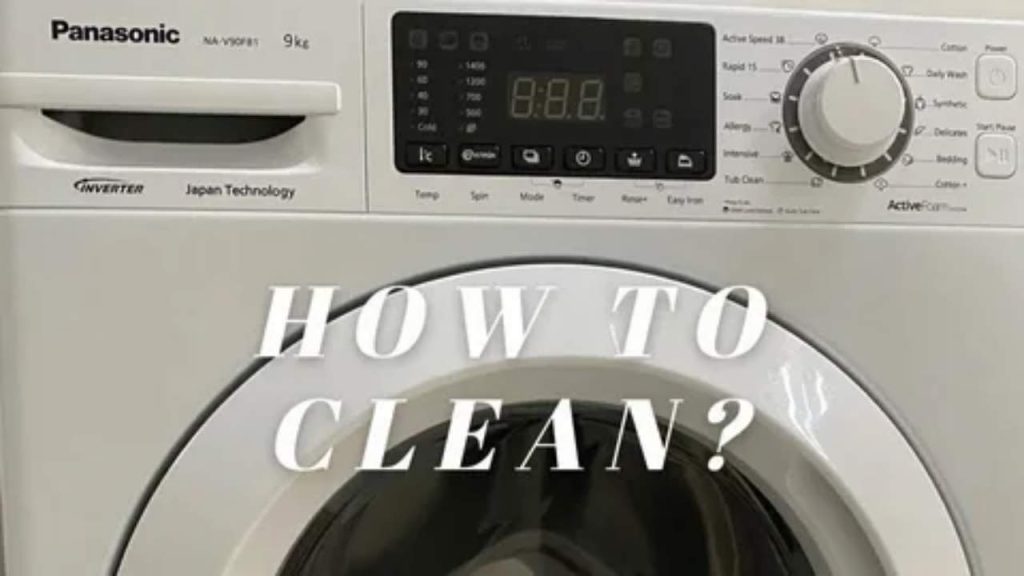
The gasket (rubber door seal) in a front load washer is one of the most critical yet ignored parts, especially in machines like Bosch, LG Electronics, and Samsung Electronics. This flexible rubber ring traps moisture, lint, detergent residue, and sometimes even small clothing fibers, which slowly leads to mold and bad odor. In my experience, this is usually the first place where a “clean” machine actually starts smelling bad if maintenance is skipped.
To clean it properly, I always pull back each fold of the gasket and wipe inside using a microfiber cloth dipped in warm water mixed with mild detergent or diluted vinegar solution. A soft toothbrush helps remove stubborn grime in tight corners without damaging the rubber. After cleaning, I make sure to dry it completely because any leftover moisture becomes a breeding ground for mildew. Leaving the door slightly open after every wash has made a huge difference in preventing recurring buildup in my routine.
How to Clean Front Load Washing Machine Bosch
Cleaning a Bosch front load washing machine is quite efficient because most models come with a built-in drum cleaning or “Drum Clean” program designed for maintenance. From personal experience, running this cycle once a month using hot water or a washing machine cleaner helps remove detergent residue, limescale, and hidden bacteria inside the drum and internal pipes. Bosch machines are well-built, but even they can develop odor issues if moisture is trapped inside for too long.
Along with the automatic cycle, I always manually clean the detergent drawer and gasket area because these parts are not fully covered during self-cleaning. I usually remove the drawer, rinse it under warm water, and scrub away any hardened detergent. After the cycle finishes, I leave the door open for proper ventilation. This simple habit has helped me keep Bosch washers running quietly and smelling fresh even after years of heavy use.
How to Clean Washing Machine Top Loader
Top loader machines, including models from Whirlpool, Samsung Electronics, and Haier, require a slightly different cleaning approach compared to front loaders. Since water flows differently in top load systems, dirt and detergent residue usually accumulate around the agitator, drum walls, and detergent dispensers. In my experience, skipping regular cleaning leads to visible residue on clothes and reduced washing efficiency over time.
To clean a top loader, I usually run a hot water cycle with either a machine cleaner or a mixture of vinegar and baking soda (used in separate stages). I also scrub the inner drum, lid underside, and detergent tray manually using a soft brush. One thing I always emphasize from personal practice is checking the lint filter, if present, because it directly affects drainage and wash quality. After cleaning, I leave the lid open to allow full drying, which helps prevent odor and bacterial growth inside the drum.
👉🏻Discover More About Unique Problems[ How to Clean a Washing Machine at Home ]
Frequently Asked Questions
How do you deep clean a front-load washer?
Deep cleaning a front-load washer involves running a hot “Tub Clean” or “Drum Clean” cycle on machines like LG Electronics, Bosch, or Samsung Electronics with the drum completely empty, then using a washing machine cleaner or tablet such as Affresh to break down detergent buildup, limescale, and hidden bacteria; after the cycle, it is important to wipe the gasket, drum, and door dry and keep the door open to prevent moisture, mold, and odor buildup.
Can I put vinegar and baking soda in my washing machine to clean it?
Yes, you can use vinegar and baking soda to clean a washing machine, but they should be used in separate cycles because mixing them reduces their effectiveness; vinegar helps dissolve soap scum, mineral deposits, and bad odors, while baking soda helps neutralize smells and freshen the drum, making this a useful natural cleaning method for brands like Whirlpool, IFB, and LG Electronics, especially for light maintenance rather than heavy buildup.
How do I run a cleaning cycle on my front-load washer?
To run a cleaning cycle on a front-load washer, first ensure the drum is empty, then select the built-in “Tub Clean,” “Drum Clean,” or “Self Clean” program available in models from Bosch, Samsung Electronics, and LG Electronics, and start a hot cycle without detergent or with a cleaning tablet; this process removes internal residue, bacteria, and odor-causing buildup and should be done every few weeks for best performance.
What is the best cleaning solution for a front load washing machine?
The best cleaning solution for a front-load washing machine is a dedicated washing machine cleaner or tablet like Affresh or manufacturer-approved products from brands such as Bosch and LG Electronics, as these are designed to remove biofilm, detergent residue, and hidden grime from the drum and pipes more effectively than household remedies, while vinegar can be used occasionally for light cleaning but is not as powerful for deep maintenance.
Conclusion
Cleaning a front load washing machine is essential to remove mold, odor, detergent residue, and hidden dirt buildup that affects washing performance and hygiene. As recommended by The DIY Playbook, the best solution is to run a hot self-clean cycle using vinegar or bleach, scrub the rubber gasket, and clean the detergent drawer regularly. These steps help eliminate bacteria, soap scum, and moisture buildup inside the drum and seal areas.
For long-term maintenance and a fresh laundry system, experts from Gimme Some Oven suggest a simple prevention routine: leave the door open after each wash, wipe the door seal dry, and deep clean the machine every month. This solution controls odor, prevents mold growth, and improves appliance efficiency, ensuring your front load washing machine stays clean, fresh, and long-lasting.