
Keeping your washing machine clean is important to remove bad smell, mold, detergent buildup, and dirt that collects inside the drum, rubber seal, and filter over time. A dirty machine can cause poor washing results, clogged parts, and unhygienic laundry. Regular cleaning improves performance, extends machine life, and ensures fresh-smelling clothes after every wash cycle.
The simple solution is to run a hot water cycle with white vinegar or baking soda to break down grime and kill bacteria inside the drum. Wipe the door seal, detergent drawer, and filter area to remove hidden dirt and limescale buildup. Whether you use machines from LG, Samsung, or Whirlpool, regular maintenance and deep cleaning every few weeks keeps your washing machine working efficiently and odor-free.
Need Appliance or Washing Machine Repair Services In Oshawa Ontorio?
Need appliance or washing machine repair in Oshawa, Ontario? Get fast, expert doorstep service for all washer problems. Book trusted washing machine repair in Oshawa, Ontario for quick, affordable, and reliable solutions.
Things That Can Cause Mildew and Buildup in a Washing Machine
A washing machine is meant to clean your clothes, but over time it can actually become a hidden source of odor and grime if not maintained properly. Many appliance technicians working with machines like LG, Samsung, and Whirlpool often find that most “bad smell” complaints come from simple daily habits rather than machine faults.
Understanding what causes mildew and buildup is the first step to keeping your washer fresh and long-lasting.
Experienced home appliance technicians deliver quality repairs for ovens, stoves, washers, dryers, and more.
Fast service and accurate diagnostics help homeowners avoid major appliance disruptions.
Too Much Detergent Usage
One of the most common mistakes is using more detergent than needed. It feels logical more soap should mean cleaner clothes but modern machines actually use very little water compared to older models.
Excess detergent does not rinse properly and starts sticking to the drum, pipes, and seals. Over time, this sticky layer turns into a breeding ground for mildew and foul odor.
Always follow the detergent instructions based on load size and water type instead of guessing.
Leaving Wet Clothes Inside the Washer
Another major cause of mildew is leaving wet clothes sitting inside the drum after the cycle ends. This creates a warm, damp environment where mold grows quickly.
In real-world servicing cases, this is one of the top reasons people notice a “musty smell” in otherwise clean laundry.
The best habit is simple: remove clothes immediately after washing.
Damp Towels and Laundry Storage Habits
Throwing damp towels, gym clothes, or swimwear directly into the hamper is another silent problem. Even slightly moist fabric can transfer moisture into the washing drum during the next cycle.
Over time, this contributes to bacteria buildup and unpleasant odors inside the machine.
Always dry damp items before placing them in the laundry basket.
Lack of Regular Cleaning
Even high-quality machines like Bosch or LG require regular cleaning. Without maintenance, detergent residue, lint, and minerals start building up inside hidden areas such as the gasket, drum holes, and filters.
Most users don’t realize that the washer itself needs cleaning every month not just clothes.
How to Clean a Front-Loading Washing Machine
Front-load washers are efficient but more prone to odor because of the rubber door seal that traps moisture.
Step-by-step cleaning method:
- Run the washer on the hottest and longest cycle (empty drum)
- Add 2 cups of white vinegar directly into the drum
- Add ¼ cup baking soda
- Let the full cycle run completely
- Wipe the drum, glass door, and rubber gasket using a damp cloth
- Pay special attention to hidden corners where mold collects
This method helps break down detergent buildup and neutralize odor naturally.
How to Clean a Top-Loading Washing Machine
Top-load machines are easier to clean in some ways, but they still collect residue around the tub and agitator.
Step-by-step cleaning method:
- Fill the washer with hot water on the longest cycle
- Add bleach and let it mix completely
- Pause the cycle and allow it to soak for 45–60 minutes
- Restart and complete the cycle fully
- Run a second cycle using vinegar and hot water
- Wipe inside surfaces, lid, and detergent tray with a sponge
- Finish by drying the interior completely
This deep-clean method removes bacteria, soap film, and hidden grime effectively.
Expert Maintenance Tips for a Fresh Washing Machine
From long-term appliance maintenance experience, a few small habits make a huge difference:
- Clean your washing machine once every 3–4 weeks
- Leave the door open after every wash
- Use only recommended detergent quantity
- Clean filters and rubber seals regularly
- Avoid overloading the machine
How Often to Clean a Washing Machine
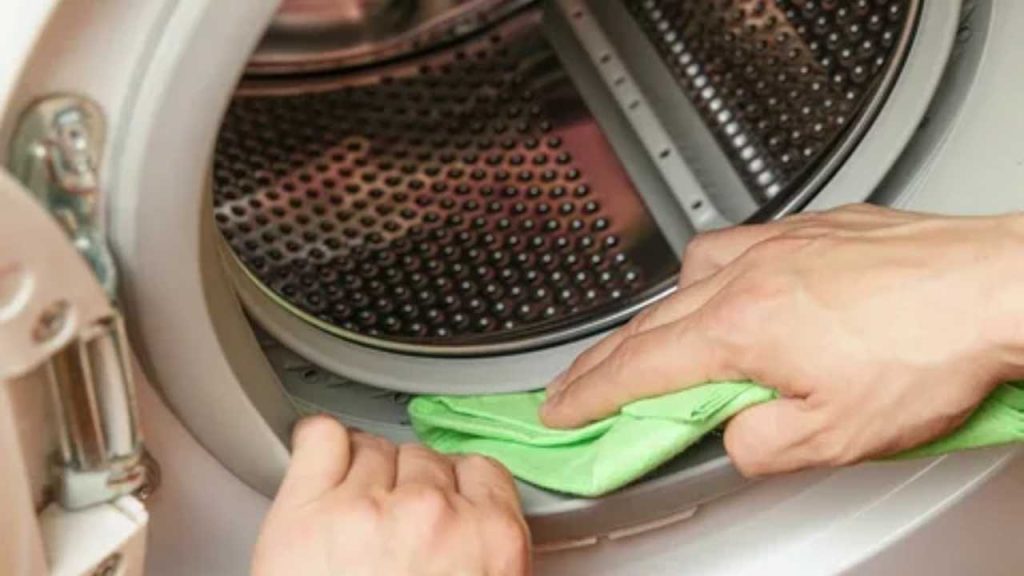
From hands-on experience working with different home appliances, one thing becomes very clear most people only clean their washing machine when it starts smelling. But by that point, buildup has already formed inside the drum, filter, and rubber seal. In general, a washing machine should be cleaned once every 3–4 weeks for normal household use. If you frequently wash heavily soiled clothes, gym wear, or live in a humid area, cleaning it every 2 weeks is even better.
Brands like Samsung, LG, and Whirlpool all recommend regular maintenance because detergent residue and moisture naturally create mildew over time. In my experience, most odor complaints disappear completely just by maintaining a monthly cleaning routine and leaving the door open after every wash cycle.
How to Clean Haier Washing Machine
If you are using a Haier washing machine, the cleaning process is quite simple because most models come with a self-clean or drum clean feature. I’ve noticed many users ignore this option, even though it’s specifically designed to remove internal dirt buildup and odor-causing bacteria.
To clean it properly, run the Drum Clean or Tub Clean mode using hot water. Add either white vinegar or a washing machine cleaner tablet inside the drum. Once the cycle completes, wipe the rubber gasket, detergent drawer, and door area carefully, as these are the spots where mold usually hides.
From real usage experience, Haier machines respond very well to regular cleaning. If done monthly, the drum stays fresh and there is almost no need for deep chemical cleaning.
How to Clean Washing Machine with Vinegar and Baking Soda
One of the most effective and budget-friendly methods I’ve personally used across different brands like Bosch and LG is the vinegar and baking soda cleaning method. It works especially well for removing soap film and mild odor buildup without damaging the machine.
Start by running the washing machine on the hottest and longest cycle. Add about 2 cups of white vinegar directly into the drum. After the cycle begins, add ¼ cup of baking soda. This combination helps break down detergent residue and neutralize unpleasant smells inside the drum and pipes.
After the cycle finishes, wipe the interior, door glass, and rubber seal with a clean cloth. In my experience, this method instantly refreshes the machine and is perfect for monthly maintenance without needing harsh chemicals.
How to Clean Automatic Washing Machine from Inside
Automatic washing machines whether front-load or top-load need deep internal cleaning because water and detergent constantly circulate through hidden parts. Machines from brands like Samsung and Whirlpool often accumulate residue in the drum holes, drain system, and filter area if not maintained properly.
To clean the inside, run a full hot water cycle without clothes. Add either vinegar, bleach (for top-load only), or a dedicated washing machine cleaner. Pause the cycle halfway to allow soaking if the machine permits it, as this helps loosen stubborn buildup inside pipes and the drum.
From practical experience, the most overlooked step is cleaning the filter and rubber gasket. These small areas trap lint, hair, and detergent sludge, which later causes odor. Once cleaned properly and dried, the machine not only smells fresh but also performs more efficiently with better water flow and spin balance.
How to Clean Haier Washing Machine 7kg
A 7kg Haier washing machine is designed for small to medium households, and in my experience, these compact machines actually collect detergent residue faster because they are often run with frequent small loads. Over time, this leads to mild odor inside the drum if regular cleaning is ignored. That’s why a monthly cleaning routine is very important, especially in humid environments.
To clean it, start an empty hot water cycle using the longest wash setting. Add either white vinegar or a washing machine cleaner into the drum. Once the cycle is complete, wipe the door, rubber seal, and inner drum with a soft cloth. I’ve noticed that 7kg models respond very quickly to this cleaning method, and even after one full cycle, the freshness difference is noticeable.
Haier Washing Machine Tub Clean Button
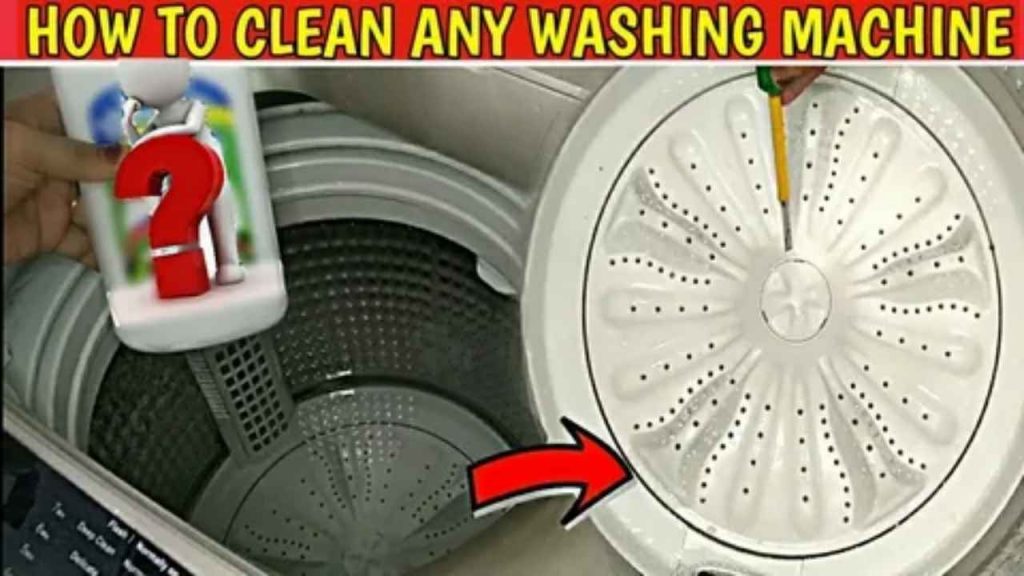
Most modern Haier washing machines come with a “Tub Clean” feature, which is honestly one of the most underrated functions. From hands-on experience, many users never use this button until the machine starts smelling, but it’s actually designed for preventive maintenance.
To use it, make sure the drum is empty, then press the Tub Clean button and start the cycle. The machine automatically uses higher temperature and longer spin patterns to remove internal residue. In my experience, adding a little white vinegar or machine cleaner improves the results even more, especially if the washer hasn’t been cleaned for a while. Once done, always leave the door open so the interior dries completely and no moisture remains trapped.
How to Clean Haier Washing Machine Front Loader
A front load Haier washing machine needs slightly more care because of its rubber gasket, which tends to trap moisture and detergent foam. In real usage, this is the first area where mold usually starts forming if the machine is not dried properly after each wash.
To clean it properly, run a hot water cycle without clothes and add vinegar or a cleaning solution into the drum. After the cycle ends, carefully wipe the rubber seal, door glass, and detergent drawer. I’ve personally seen that the gasket area makes the biggest difference in odor control if it’s cleaned regularly, the machine stays fresh for months without any heavy cleaning.
How to Clean Front Load Washing Machine
Cleaning a front load washing machine whether from Samsung, LG, or Bosch is essential because these machines use low water levels, which can leave behind soap residue over time. In my experience, most “bad smell” complaints come from buildup hidden in the drum, rubber gasket, and filter rather than the main tub itself.
To clean it, run the hottest and longest cycle with no clothes. Add two cups of white vinegar or a washing machine cleaner tablet into the drum. After the cycle, wipe all internal surfaces and make sure to clean the rubber seal thoroughly. I always recommend leaving the door slightly open afterward, because trapped moisture is the main reason mold develops inside front loaders. With consistent monthly cleaning, the machine stays hygienic, odor-free, and performs much more efficiently.
How to Clean Washing Machine Drum Smell
A smelly washing machine drum is one of the most common issues I’ve seen while dealing with home appliances from brands like LG, Samsung, and Whirlpool. In most cases, the odor doesn’t come from dirt alone it comes from trapped moisture, detergent buildup, and bacteria growing inside the drum and rubber seal. The smell usually becomes noticeable when clothes start coming out “not fresh” even after a full wash cycle.
To fix this, run an empty hot wash cycle and add either white vinegar or a washing machine cleaner. In my experience, the biggest improvement happens when you also wipe the rubber gasket and leave the door open afterward. That small habit alone prevents the damp smell from coming back. If the odor is strong, repeating the process twice usually restores the drum freshness completely.
How Often to Clean Washing Machine
From practical use and maintenance experience, a washing machine should ideally be cleaned every 3 to 4 weeks. However, this can vary depending on usage. If you wash heavy loads frequently or use liquid detergent regularly, residue builds up faster inside the drum and pipes. Brands like Bosch and Haier also recommend regular tub cleaning to maintain performance and hygiene.
In real-world situations, I’ve noticed that users who clean their machine monthly rarely face odor or drainage issues. On the other hand, machines left uncleaned for months often develop mildew around the seal and reduced washing efficiency. A simple monthly hot wash cycle without clothes is usually enough to keep everything in good condition.
Washing Machine Not Cleaning Clothes Properly
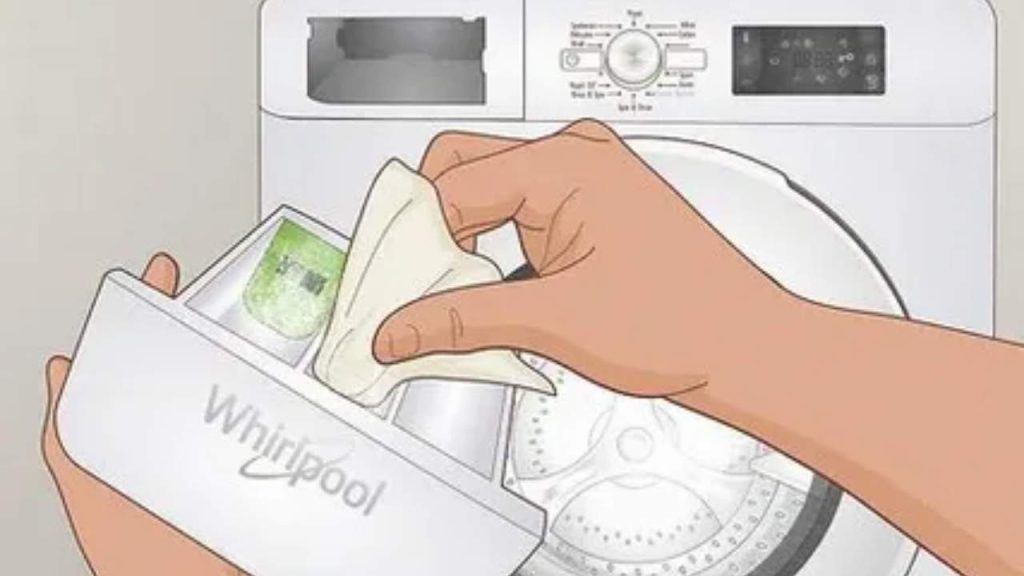
When a washing machine stops cleaning clothes properly, the issue is often not mechanical failure but internal buildup or incorrect usage. In machines from Samsung, LG, and Whirlpool, I’ve found that clogged detergent drawers, dirty filters, or overloading are the most common causes. Sometimes, using too much detergent actually creates a layer of residue that prevents proper rinsing.
From experience, the first step is always to clean the drum, filter, and detergent tray thoroughly. After that, check if you are overloading the machine or using the correct wash cycle. A hot empty cleaning cycle often restores cleaning performance instantly because it removes hidden soap film and debris inside the drum holes and pipes.
Best Cleaner for Washing Machine
The best cleaner for a washing machine depends on the level of buildup. In everyday maintenance, natural options like white vinegar and baking soda work extremely well and are safe for most machines including Bosch and LG. They help break down detergent residue, remove odor, and refresh the drum without harsh chemicals.
For deep cleaning, especially in older machines, I’ve personally seen better results with commercial washing machine cleaners or chlorine-based solutions (for top-load models only). These are designed to remove heavy limescale and bacteria buildup. However, the most important factor is consistency whether you use natural or chemical cleaners, doing it monthly is what actually keeps the machine performing like new.
Frequently Asked Questions
What is the best way to clean a washing machine?
The best way to clean a washing machine is to run a hot empty cycle using either white vinegar or a washing machine cleaner, then manually wipe key areas like the drum, rubber seal, and detergent drawer. In my experience working with brands like LG, Samsung, and Whirlpool, this combination method works best because it removes both visible dirt and hidden detergent buildup that causes odor and poor performance.
Can I put vinegar and baking soda in my washing machine to clean it?
Yes, you can safely use vinegar and baking soda in most washing machines, including models from Bosch, Haier, and LG, but they should not be mixed together directly. From experience, vinegar works best during a hot cycle to break down residue, while baking soda is useful for neutralizing odors, and using them separately gives the most effective cleaning result.
How do I deep clean my clothes washing machine?
Deep cleaning a washing machine means cleaning both the internal drum and hidden parts like the filter, hose, and rubber gasket. In machines from Samsung and Whirlpool, I’ve noticed buildup often hides in these areas, so running a hot empty cycle with a cleaner or vinegar and then manually cleaning all seals and filters gives the most complete and long-lasting results.
What is the best thing to clean the inside of a washing machine?
The best thing to clean the inside of a washing machine is white vinegar for regular maintenance and a washing machine cleaning tablet or descaler for deep cleaning. In brands like Bosch and LG, I’ve seen vinegar remove odor and light buildup effectively, while stronger cleaners are better when the machine hasn’t been cleaned for a long time.
What can I put inside my washing machine to clean it?
You can put white vinegar, baking soda, or a washing machine cleaning tablet inside the drum to clean it properly, depending on the level of buildup. From practical experience with Haier and Samsung machines, vinegar works best for odor, baking soda helps neutralize smells, and tablets are ideal for heavy residue and deep cleaning during a hot wash cycle.
How do I clean a smelly washing machine?
A smelly washing machine is usually caused by trapped moisture, detergent buildup, and bacteria inside the drum or rubber seal. In my experience with LG and Whirlpool, running a hot empty cycle with vinegar or a cleaner and then thoroughly wiping the gasket and leaving the door open afterward completely removes the smell and prevents it from returning.
Is bleach or vinegar better to clean the washing machine?
Both bleach and vinegar are useful but serve different purposes: vinegar is better for regular cleaning and odor removal, while bleach is stronger and used for deep disinfection, especially in top-load machines like those from Samsung and Whirlpool. From experience, vinegar is safer for routine monthly cleaning, while bleach should only be used occasionally for heavy mold or strong bacteria buildup.
What is the best way to clean the washing machine?
The best way to clean a washing machine is to combine a hot empty wash cycle with vinegar or a cleaning tablet and then manually clean important areas like the drum seal, filter, and detergent drawer. In real maintenance experience with brands like Bosch, LG, and Samsung, this routine consistently keeps the machine fresh, improves performance, and prevents long-term odor and buildup issues.
Conclusion
To keep your washing machine clean and working efficiently, regular maintenance is the best solution. Always run a hot wash cycle using white vinegar or baking soda to remove detergent buildup, mold, mildew, and bad odor from the drum. Clean the rubber seal, detergent drawer, and lint filter to stop dirt, bacteria, and limescale from collecting inside the machine.
For long-lasting performance, follow a deep cleaning routine every few weeks whether you use LG, Samsung, or Whirlpool washing machines. Wipe the door after every wash, keep the machine dry, and avoid excess detergent to prevent residue buildup. This simple care method improves washing quality, prevents odor issues, and extends the life of your washing machine.